Kimi Code vs Claude Code: Pricing, Benchmarks, and Which One to Choose

By Emma Reed
MyClaw Editorial
MyClaw
Run Best-in-Class AI Agents Now
Run OpenClaw or Hermes Agent on managed MyClaw hosting, so your AI agent stays online, updated, and ready for real work.
AI Takeaway
- Which is better overall? Claude Code is still the safer default for difficult repository work, mature tooling, and changes where reliability matters more than price.
- Which costs less? Kimi Code has a lower measured API cost per benchmark task, although subscription value depends on how quickly its shared credits and five-hour or weekly limits are consumed.
- What do current benchmarks show? Claude leads the overall Coding Agent Index, while Kimi K3 stays close on terminal work and leads one DeepSWE comparison.
- Can Kimi K3 run inside Claude Code? Yes. Kimi provides an Anthropic-compatible endpoint, so the Claude Code workflow and the model underneath it do not have to come from the same vendor.
Quick Comparison
With Kimi K3, Kimi Code has become a serious terminal agent for repository work and multi-step implementation. Claude Code remains more polished, with stronger project controls and a deeper production ecosystem. Kimi K3 and Claude models are the brains; Kimi Code and Claude Code are the harnesses that read files, run commands, edit code, and manage sessions.
| Category | Kimi Code | Claude Code |
|---|---|---|
| Best at | Cost-aware, long-context work | Complex, reliability-sensitive work |
| Starting paid plan | $19/month | $20/month |
| Higher individual tiers | $39, $99, $199 | $100, $200 |
| Project instructions | AGENTS.md | CLAUDE.md and project rules |
| MCP support | Yes | Yes |
| Main advantage | Lower measured cost | Mature harness and ecosystem |
| Main drawback | Quotas and features change quickly | Higher cost at heavy usage |
Claude Code is easier to trust as a single production agent. Kimi Code makes more sense when cost, context, or task volume carries more weight.
Pricing: What You Actually Pay
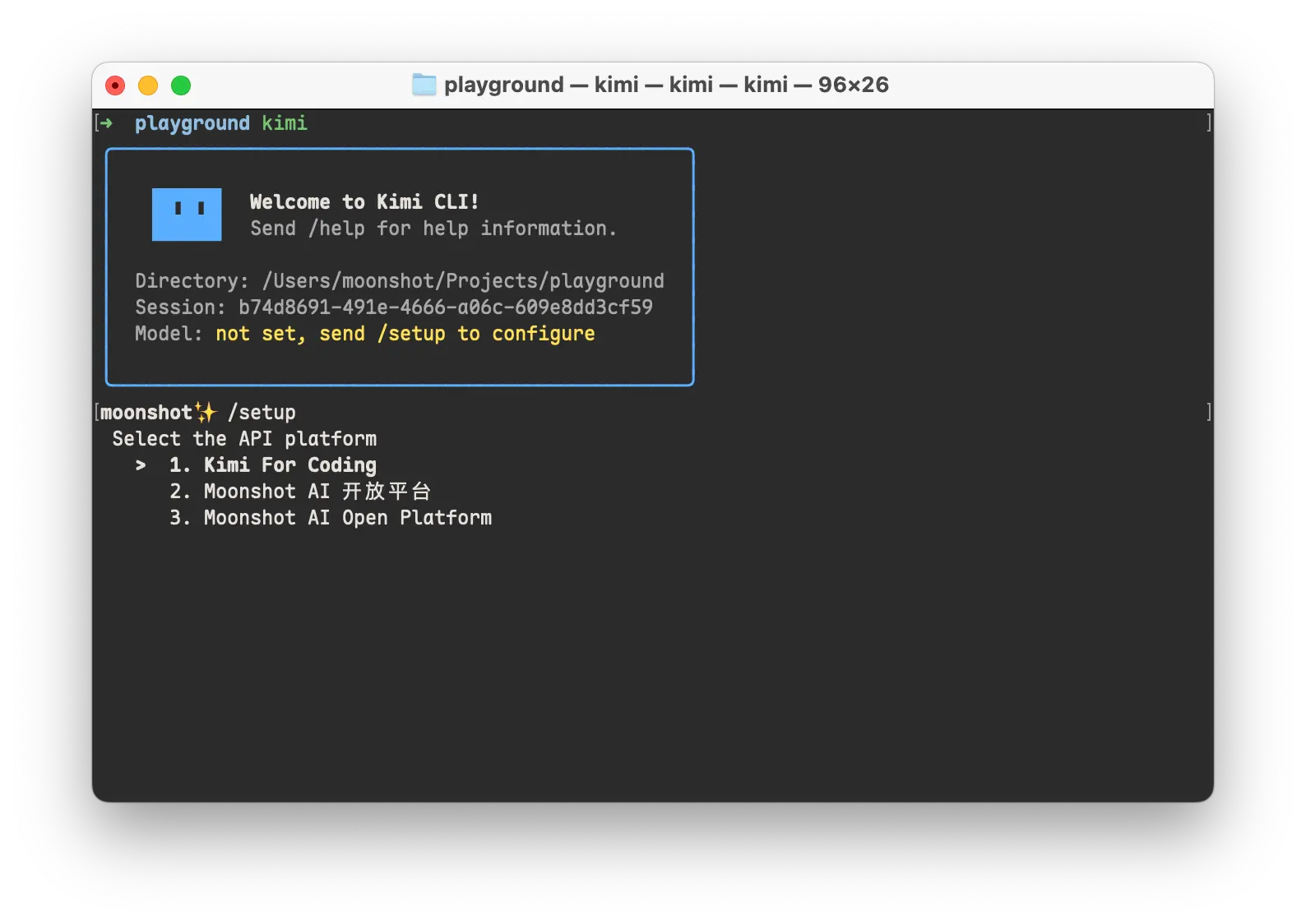
Subscription Plans and Usage Limits
Kimi offers paid tiers at $19, $39, $99, and $199 per month. Claude Pro costs $20, while Claude Max offers higher capacity at $100 or $200. Neither subscription buys a fixed number of coding tasks.
Kimi Code draws from a shared membership credit pool and applies five-hour and weekly limits. Other Kimi features can reduce what remains for coding. Claude Code shares usage with other Claude surfaces and also applies rolling five-hour and weekly limits.
Repository size, model, tool calls, retries, and conversation history change how fast a plan is consumed. A cheaper plan that stops halfway through a refactor may offer less value than one that completes it cleanly. Watch real usage before upgrading.
API Price Is Not the Final Cost
Kimi K3 currently costs $0.30 per million cached input tokens, $3 per million uncached input tokens, and $15 per million output tokens. Claude Sonnet 5 costs $2 per million input tokens and $10 per million output tokens through August 31, 2026; standard pricing is $3 and $15. Higher-end Claude models cost more.
Token price still misses the cost that matters: producing a tested change you will merge. Retries, unnecessary edits, broken tests, and human cleanup can erase an API saving. An always-on coding-agent workflow makes budget limits and clear stop conditions even more important. Compare cost per accepted task, not just the cheapest listed rate.
Benchmarks: Where Each Agent Wins
Independent results show a competitive matchup. In the Artificial Analysis comparison, Claude Code with Opus 5 at xhigh reasoning leads the composite index, while Kimi Code with K3 costs less per task.
| Metric | Claude Code + Opus 5 | Kimi Code + K3 |
|---|---|---|
| Coding Agent Index | 67 | 61 |
| DeepSWE | 60% | 64% |
| Terminal-Bench v2 | 85% | 84% |
| SWE-Atlas-QnA | 55% | 37% |
| Cost per task | $8.23 | $3.18 |
| Time per task | 23.6 min | 23.8 min |
Claude's biggest lead appears in repository understanding. Kimi is almost level on terminal execution and scores higher in the listed DeepSWE result. Completion time is nearly identical, so Kimi's efficiency advantage comes from cost and token use, not speed.
What Benchmark Scores Miss
A leaderboard cannot show whether an agent changed an unrelated file, ignored a local convention, burned a weekly quota, or needed several prompts to repair its patch. Results also change when models use different harnesses.
For a useful trial, reset the same repository state and run four tasks with each tool:
- Fix a real bug with an existing failing test.
- Refactor a feature across several files.
- Diagnose a failed build from logs.
- Review a pull request without changing code.
Track first-pass success, tests, time, usage, files changed, and human correction. A few repeated runs reveal more than one headline score. A Coding Agent skill can run the same scoped tasks in isolated background directories when you want a repeatable comparison.
Daily Development: Tooling, Context, and Reliability
Claude Code Has the More Mature Harness
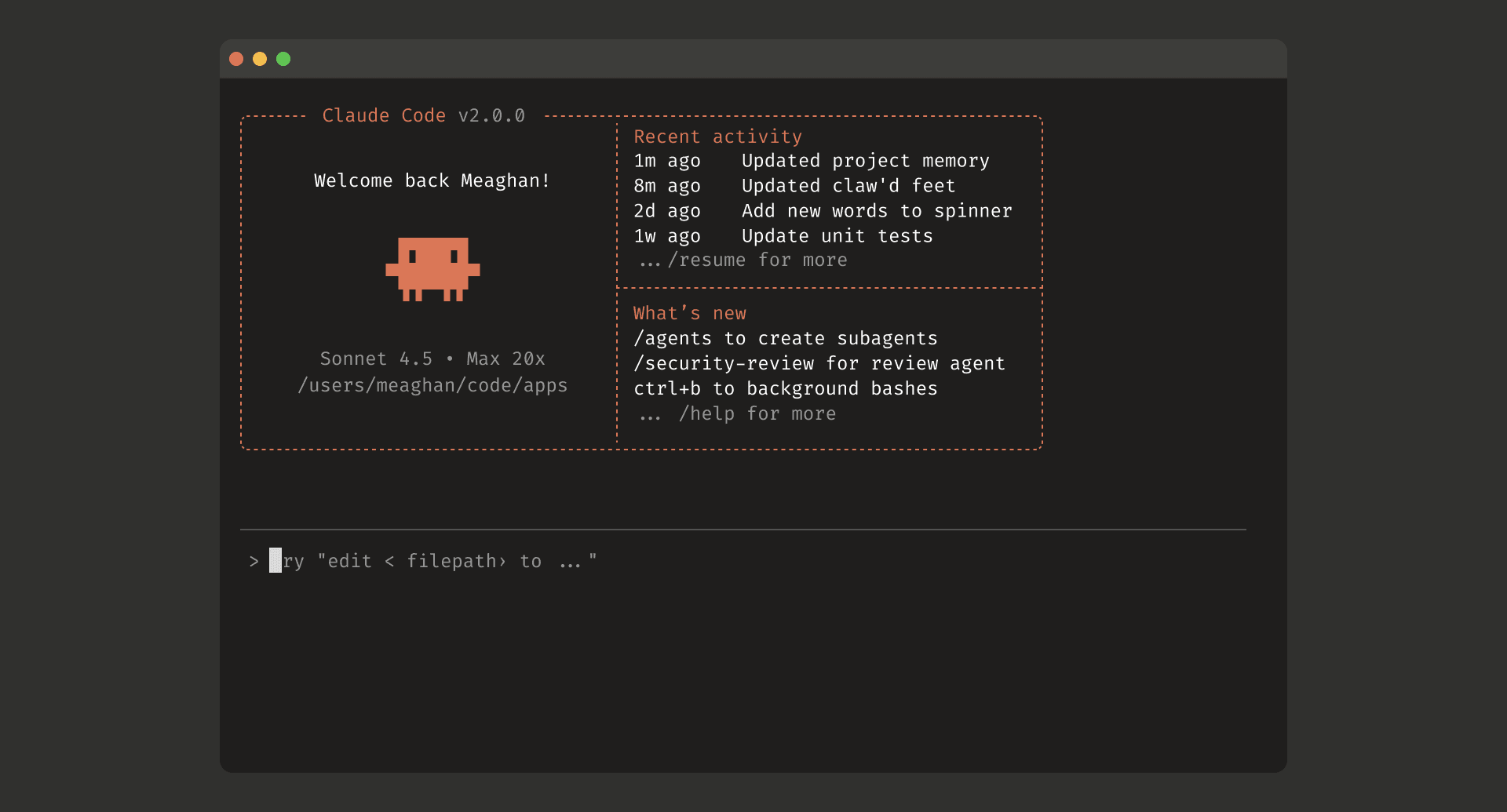
Claude Code feels settled around the edges. CLAUDE.md files, project rules, custom subagents, hooks, permissions, session history, IDE support, and MCP integrations offer precise control. That matters when an agent touches authentication, billing, infrastructure, or a codebase with strict conventions.
Its main weakness is cost. Heavy Opus sessions are expensive, and subscription limits can interrupt long work. The premium makes sense when a failed change costs more than the usage.
Kimi Code Is Easier to Adopt Than It Looks
Kimi Code uses familiar terminal patterns, AGENTS.md instructions, MCP, and shared cross-agent skills. Standard and HighSpeed modes let eligible plans prioritize faster output without changing the underlying model. K3's long context suits large repositories, although the full window depends on the plan.
Its rough edges are operational: platform differences, changing plan rules, fewer mature customization patterns, and less predictable quota burn. A small production trial is essential.
Can You Run Kimi K3 Inside Claude Code?
Yes. Kimi exposes an Anthropic-compatible endpoint, so Claude Code can use Kimi credentials and a Kimi model while preserving much of its terminal workflow. You can prefer Claude Code's interface without using a Claude model on every turn.
It is not identical to native Claude. Routing, context, support, and Claude-specific features can differ. Test the configuration before relying on it.
Run Kimi and Claude Coding Workflows 24/7 with MyClaw
Choosing a model does not decide where long-running work lives. Unattended tasks still need a repository, terminal, credentials, and a safe reporting path after a laptop sleeps.
MyClaw keeps that working environment stable while the model changes with the task. Files, tools, scheduled jobs, backups, and remote access remain available in one managed workspace.
Step 1: Launch a Private Coding Workspace
Start a managed OpenClaw or Hermes Agent instance with enough compute for the repository and tests. Begin with one contained workflow.
A nightly test run or failed-build investigation is safer than unrestricted repository maintenance.
Step 2: Connect Your Models and Development Tools
Add the Kimi and Anthropic connections you plan to use. Connect the repository, GitHub workflow, MCP tools, and an approval channel.
The Coding Agent skill can delegate implementation, refactoring, review, and debugging in background project directories. Keep write permissions narrow, require tests, and leave merges for human approval.
Step 3: Give Each Agent the Right Work
Use Kimi for broad repository scans, repetitive test generation, documentation passes, and cost-sensitive exploration. Reserve Claude for architectural decisions, risky multi-file edits, security review, and final verification.
Schedule the task and return to a report with the diff, test results, risks, and next action. One repository and one repeatable job is enough to prove the setup.
Which One Should You Choose?
Choose Kimi Code when cost and long context come first. It suits experimentation, repository exploration, repetitive implementation, and workloads where occasional retries are acceptable.
Choose Claude Code when reliability comes first. It is the stronger single-agent choice for production repositories, complex debugging, established team conventions, and changes that need careful judgment.
Use both when the workload is mixed. Kimi can handle cheaper exploratory turns and routine work, while Claude reviews the decisions or changes with the highest failure cost. This usually produces a better balance than forcing every task through the same model.
For a managed OpenClaw or Hermes workspace around that split, compare the current MyClaw plans with the repository size, test workload, and number of scheduled jobs.
Judge the result on accepted changes, not impressive transcripts. The best agent finishes with the least cleanup and fewest surprises.
Conclusion
In the Kimi Code vs Claude Code decision, Claude remains the safer all-purpose choice, while Kimi is the stronger value challenger. Kimi's lower measured task cost makes it compelling for volume and long-context work; Claude's mature harness and repository judgment justify the premium on critical changes. Test both against the same codebase, measure completed work, and keep the option to route each task to the agent that handles it best.
Skip the Setup, Run Best-in-Class AI Agents Now
Launch a managed OpenClaw or Hermes Agent workspace in minutes, with always-on hosting, updates, and support handled by MyClaw.