Manus vs Claude: Which AI Agent Should You Use?

By Nathan Cole
MyClaw Editorial
MyClaw
Run Best-in-Class AI Agents Now
Run OpenClaw or Hermes Agent on managed MyClaw hosting, so your AI agent stays online, updated, and ready for real work.
AI Takeaway
- Best overall: choose based on the job. Manus is stronger for hands-off task execution; Claude is the safer pick for reasoning, research, writing, and Claude Code workflows.
- Best for research: Claude is the safer default when sources, synthesis, and revision matter. Manus works well when you want an agent to gather and package information with less steering.
- Best for coding: Claude Code is the better fit for real repositories, tests, debugging, and PR work. Manus fits broader build-style deliverables.
- Best for ongoing work: long-running research and coding prep need memory, files, repeatable steps, and a stable workspace.
- Where MyClaw helps: MyClaw gives OpenClaw or Hermes Agent a private hosted workspace for recurring research, coding prep, SEO workflows, support triage, and team operations.
Manus vs Claude: The Fast Answer
Manus and Claude are often compared side by side, but they are not the same kind of product. Manus is an autonomous AI agent app. Its appeal is simple: give it a goal, let it plan the steps, and come back with a finished artifact.
Claude is broader. It is a model family and product ecosystem that includes chat, research features, workplace tools, and Claude Code. In practice, Claude feels less like a single task box and more like a reasoning layer you can use in different work environments.
| Need | Best Fit | Why |
|---|---|---|
| Hands-off web tasks | Manus | More packaged for autonomous browsing and deliverables |
| Research and writing | Claude | Stronger synthesis, source review, and revision |
| Real codebase work | Claude Code | Built for files, commands, tests, and PR workflows |
| Recurring agent workflows | MyClaw | Keeps OpenClaw or Hermes Agent online in a private workspace |
The practical rule is simple: use Manus when you want delegation, Claude when you want judgment, Claude Code when the work lives in a repo, and a hosted workspace when the work needs to continue after one session.
What Manus Does Better

Autonomous Task Execution
Manus is at its best when the task has a visible outcome and you do not want to steer every step. It fits requests like: research this market, draft a slide deck, compare products, build a simple landing page, or turn a brief into a packaged deliverable.
The appeal is not just model intelligence. You give a target, it decomposes the job, uses tools, and moves toward an output.
Packaged Outputs
Manus also works well when the final artifact matters more than the reasoning trail. If you want a deck, website draft, structured report, or browser-based task completed, Manus can feel direct and practical.
The tradeoff is control. A more autonomous agent can make assumptions you would not have made. It may choose sources unevenly or produce a polished artifact that still needs review. For low-risk work, that is acceptable. For research, finance, engineering, or client-facing decisions, you need verification.
What Claude Does Better
Research Quality and Source Review
Claude is usually the better choice when the main requirement is judgment. If you are comparing sources, checking claims, or working through unclear tradeoffs, Claude tends to feel more deliberate.
The difficult part is not collecting links. It is deciding which claims matter, which sources deserve trust, and where the answer is still uncertain.
Writing and Analysis
Claude is also strong for long-form writing, document analysis, argument structure, and editorial refinement. If you care about tone, clarity, and a final answer that does not feel like a scraped summary, Claude is usually the better writing partner.
Model choice still matters inside Claude-style workflows. If your Claude use case is closer to agentic coding than general chat, the Claude Fable 5 model page gives a more relevant model-specific view.
Claude Code for Real Codebases
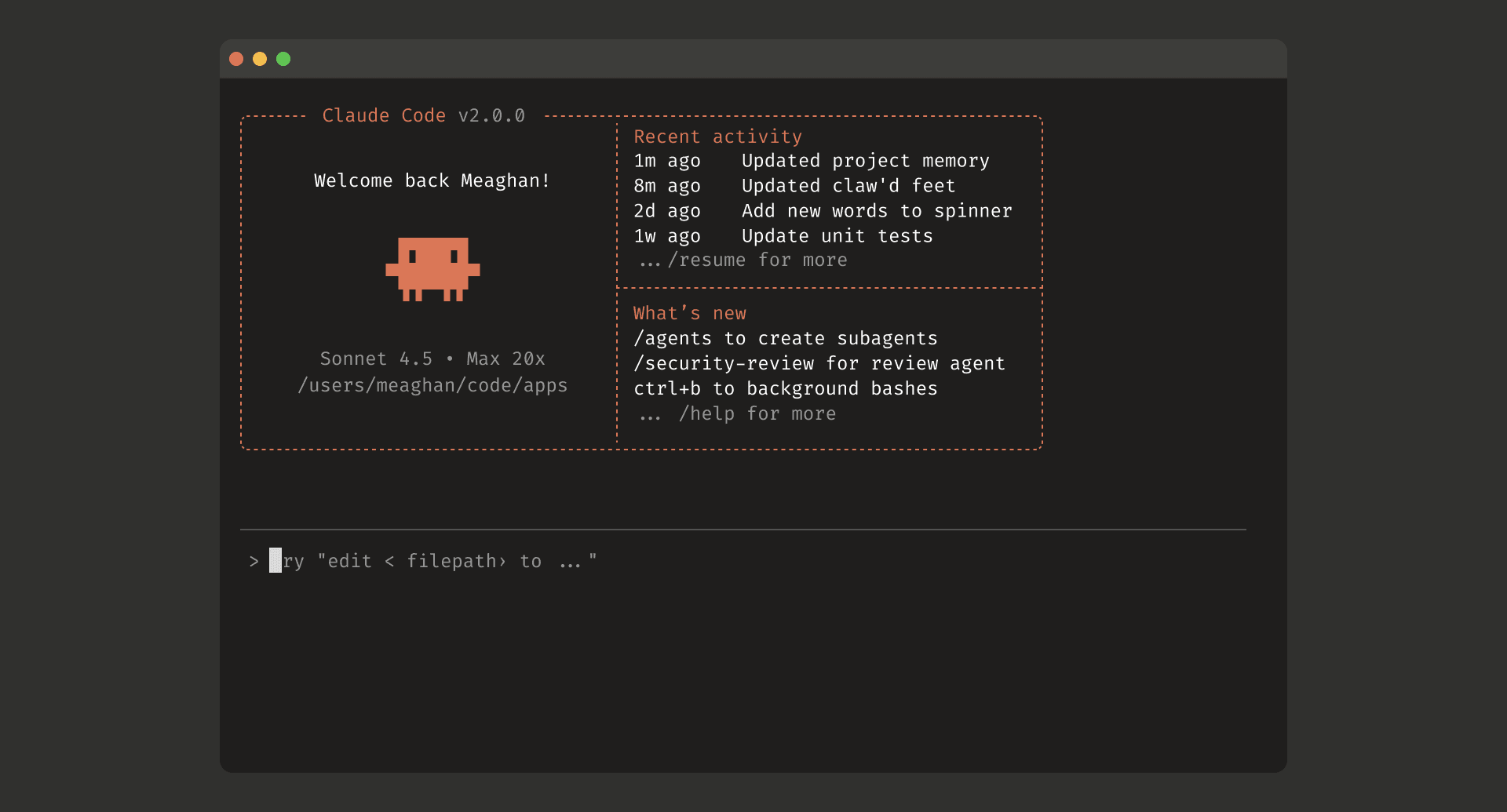
Claude Code changes the comparison. It is not just Claude answering coding questions. It is an agentic coding environment designed to read files, edit code, run commands, debug failures, and prepare changes for review.
That makes Claude Code a natural fit for production repositories. Manus may help with a prototype or simple site, but serious engineering work needs context, diffs, tests, conventions, and recovery when something breaks.
Manus vs Claude for Research
Quick Research
For quick research, Manus can be attractive because it is willing to do the gathering. It can collect competitor examples, summarize a category, draft a short market brief, or compare obvious options.
Claude is better when you want to shape the question as you go. It is easier to ask Claude to slow down, challenge assumptions, rank evidence, or rewrite the answer from a different point of view.
Deep Research
For deep research, Claude has the edge. The more a task depends on source quality, document synthesis, and careful caveats, the more valuable Claude becomes. A research report is not just a pile of facts; it needs hierarchy, judgment, and a clear explanation of confidence.
Manus can still be useful in the early gathering stage. A practical workflow is to let Manus explore broadly, then use Claude to pressure-test the findings, restructure the argument, and identify weak sources.
For SEO or market research workflows, repeatability matters as much as the first answer. The SEO & AEO Keyword Research skill turns search demand, competitor angles, and answer-engine opportunities into a reusable content brief.
Manus vs Claude Code
Pick Claude Code for Engineering Work
If the work lives inside a real repository, pick Claude Code first. It is better suited for repo onboarding, bug fixes, tests, refactors, documentation changes, CI debugging, and pull request preparation.
A useful coding agent should do more than generate code. It should inspect the existing project, follow conventions, run relevant commands, explain risk, and leave behind a change a human can review. That same line between repo work and autonomous agent work shows up in the Hermes Agent vs Claude Code comparison.
Pick Manus for General Build Tasks
Manus is a better fit when the job is closer to a packaged deliverable: a simple website draft, product concept, mock app, slide deck, or browser-based workflow. These tasks may involve code, but they are not the same as safely changing an existing codebase.
If the real goal is to map the workflow rather than pick a single product, the coding agent use case shows how PR reviews, tests, debugging, repo maintenance, and background engineering prep fit together.
When an AI Agent Needs a Place to Keep Working
Some Jobs Need Continuity
Many useful tasks do not end after one answer. Research needs follow-up. Coding prep needs repo context. Support triage needs history. SEO work needs recurring checks. Operations workflows need files, schedules, and memory.
That is a different problem from "which model is smarter?" It is the problem of where the agent lives while the work continues.
MyClaw Turns Agent Work Into a Workspace
A MyClaw workspace is useful when you want OpenClaw or Hermes Agent running in a private hosted environment instead of depending on a local setup or temporary chat session. It gives the agent always-on access, isolated resources, managed updates, and a stable place for repeatable workflows.
The goal is not to replace Manus or Claude. Claude can still handle careful reasoning. Claude Code can still handle repo work. Manus can still handle autonomous task runs. MyClaw helps when the work needs continuity.
Three Simple Steps
- Pick one repeatable workflow: weekly competitor research, GitHub issue prep, SEO content briefs, inbox triage, support summaries, or product research.
- Add the right context: files, instructions, source rules, repo notes, issue templates, or a reporting format.
- Review, then expand: once the first workflow works, add one more recurring task, skill, or handoff.
Manus vs Claude: Which Is Better for You?
Choose Manus If You Want Hands-Off Execution
Choose Manus if you want an agent to take a broad request and turn it into a deliverable with minimal steering. It is strongest for browsing, gathering, creative packaging, and simple build-style outputs.
Choose Claude If You Want Better Reasoning and Research Control
Choose Claude if you care about source quality, writing quality, careful analysis, document work, and revision. Claude is better when the process matters as much as the output.
Choose Claude Code If the Work Lives in a Repo
Choose Claude Code if the job involves an existing codebase, tests, debugging, refactoring, or pull request preparation. It is the better default for serious engineering work.
Choose a Workspace If the Work Needs Memory
Choose a persistent workspace if the task needs history, files, scheduled follow-up, and repeatable steps. Session continuity is its own feature, and Session Logs can make past decisions, handoffs, and context easier to revisit.
Conclusion: Manus vs Claude Is Really About the Job
The answer to "manus vs claude" depends on the job. Manus is stronger for autonomous task delegation. Claude is stronger for research, writing, and careful reasoning. Claude Code is the better choice for production coding. MyClaw becomes useful when the work needs a private AI agent workspace that stays online, keeps context, supports skills, and turns one-off help into a repeatable workflow.
Skip the Setup, Run Best-in-Class AI Agents Now
Launch a managed OpenClaw or Hermes Agent workspace in minutes, with always-on hosting, updates, and support handled by MyClaw.